
Ankle Instability: Why It Happens and Why It Matters
Ankle injuries are incredibly common, and often underestimated. Many people roll an ankle, rest for a few days, and get back to life once the pain settles. But what’s often missed is what happens underneath the surface.
At ALHACARE Physiotherapy & Rehabilitation in Croydon Park, we regularly see people who feel their ankle has “never been quite right” since a previous injury. It might not always hurt, but it feels weak, unsteady, or unreliable, especially on uneven ground. This is where ankle instability begins.
Understanding the Ankle Joint
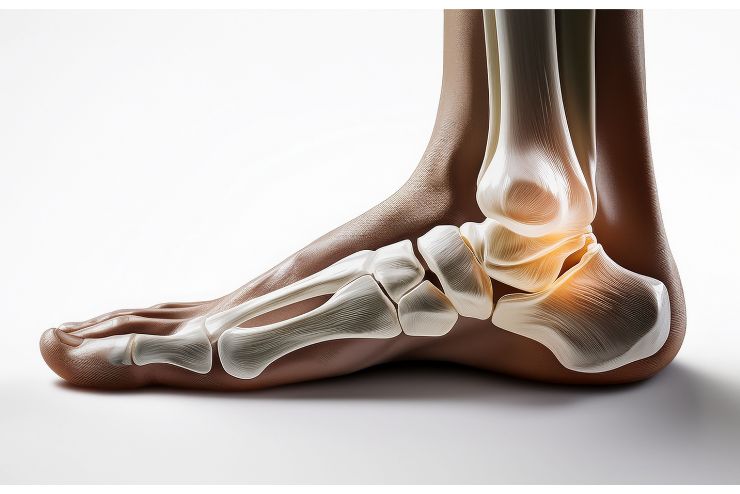
The ankle is a complex joint that relies on a balance of strength, mobility, and stability to work well. It plays a major role in how we walk, run, balance, and adapt to different surfaces, from footpaths and stairs to grass and uneven terrain.
One of the ankle’s most important jobs is proprioception, which is essential for balance and movement control. When ankle strength or proprioception is reduced, the risk of rolling the ankle increases, particularly on unfamiliar or uneven surfaces.
What is Proprioception?
Proprioception is your body’s ability to know where it is in space at any given time, your position awareness. It allows you to move without consciously thinking about every step. For example, you don’t need to look at your arm to know it’s raised while reading this article.
Your body relies on several systems to maintain proprioception:
- Your eyes, which usually provide visual input
- Your inner ear, specifically the vestibular system, which helps with balance and spacial awareness
- Your muscles, tendons, and ligaments, which constantly send feedback to the brain about joint position and movement
This last system is one of the most affected during injury. When ligaments, tendons, or muscles around the ankle are damaged, the quality of information being sent to the brain is reduced. Even if pain settles, this communication may not fully recover without proper rehabilitation.
Why Ankle Injuries Can Become a Bigger Problem
Even a minor ankle injury can disrupt proprioception. When this happens, your body places more strain on the other balance systems to compensate. Over time, this reduces ankle stability and increases the risk of repeated sprains.
If left untreated, this cycle can lead to chronic ankle instability, often described as having “weak ankles”. This can affect confidence in movement, increase injury risk, and even contribute to issues higher up the body, such as knee, hip, or lower back pain.
How Do Ankle Injuries Happen?
Ankle injuries can occur during almost any activity. Walking around the community, exercising, playing sport, or simply stepping awkwardly off a curb can be enough.
Common scenarios for ankle injuries include:
- Rolling the ankle on uneven ground
- Slipping or mis-stepping
- Sudden changes in direction during sport
- Falls, whether noticed or not
Not all ankle injuries cause immediate pain. Sometimes swelling appears later, and sometimes it does not. The deeper issue is often hidden, only revealing itself when the ankle is placed in a vulnerable position again. This is why proper rehabilitation is essential, even when symptoms feel mild.
Do You Need Scans for Ankle Injuries?
Many people ask whether they need scans for an ankle injury. In most cases, scans are not required early on. Pain, swelling, or bruising does not always mean there is serious structural damage, and many ankle injuries can be assessed accurately through a thorough clinical examination.
Scans such as X-rays are usually only needed if there is concern for a fracture. for concerns of ligament or tendon damaged, ultrasounds, or MRIs are usually recommended. Your physiotherapist will guide you on appropriate next steps following their assessment findings.
How We Treat Ankle Injuries at ALHACARE
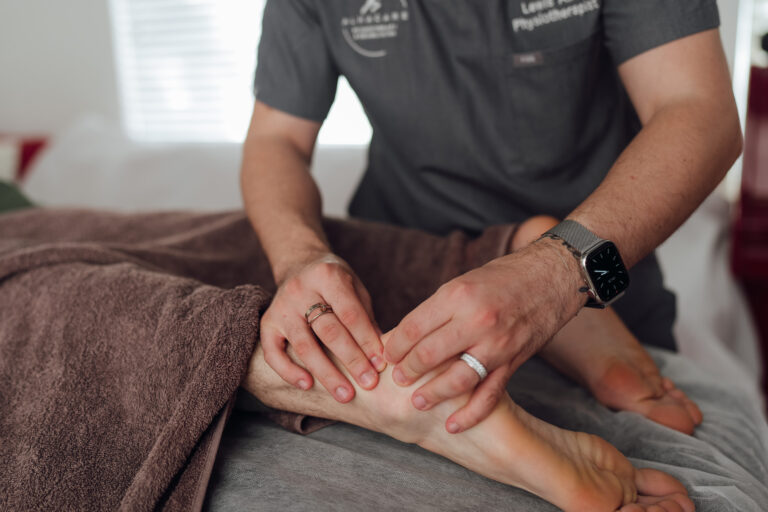
At ALHACARE Physiotherapy & Rehabilitation, we start with a thorough assessment to understand how the ankle has been injured and whether there are any ongoing stability risks.
Based on this assessment, we create a tailored management plan. This may include:
- Short-term protection such as bracing or activity modification
- Hands-on physiotherapy to the ankle and surrounding joints
- Manual therapy to improve joint movement
- Soft tissue treatment for the calf and lower leg
- Dry needling where appropriate
- A structured exercise rehabilitation program
Exercise rehabilitation is the cornerstone of ankle recovery. Strength, mobility, and balance exercises are introduced gradually to rebuild a strong and stable foundation. Proprioceptive training is layered in as you progress, helping the ankle regain long-term control and confidence.
Full ankle rehabilitation often takes between 3 to 9 months, depending on the severity of the injury and your activity goals. This timeline allows the ankle to truly recover, rather than simply feeling “good enough”.
Pro Tip from Lewis, Director & Senior Physiotherapist
“Chronic ankle instability can be challenging, but it is treatable with the right approach. Addressing strength, motor control, and proprioception together is key. With consistency and guided physiotherapy, many people regain confidence and return to the activities they enjoy.”
When to Seek Help For Ankle Injuries
If you’ve had repeated ankle sprains, feel unsteady on uneven ground, or don’t fully trust your ankle, it’s worth having it assessed. Early intervention can prevent long-term issues and support better movement for years to come.
If you’re looking for trusted physiotherapy for ankle injuries in Croydon Park or the Inner West, ALHACARE Physiotherapy & Rehabilitation is here to help.
You can book online at www.alhacare.com.au or get in touch if you’d like to ask a question about your ankle health.