
The Core of Better Movement
When you hear the term “core strength,” you might immediately think of sit-ups, planks or strong abdominal muscles. But your core is about so much more than your abdominal muscles.
Your core forms the central foundation of your body. It helps stabilise your spine and pelvis, supports balance and posture, and allows your arms and legs to move with control and ease.
What Is Your Core?
Your core is made up of a network of muscles surrounding your trunk and pelvis. Rather than working independently, these muscles work together to stabilise your body and control your movement during everyday tasks, like walking, standing up, or even during exercise.
This means effective core function isn’t simply about how strong your abdominal muscles are. It’s about how well your body can coordinate strength, stability and movement during everyday activities when you need it.
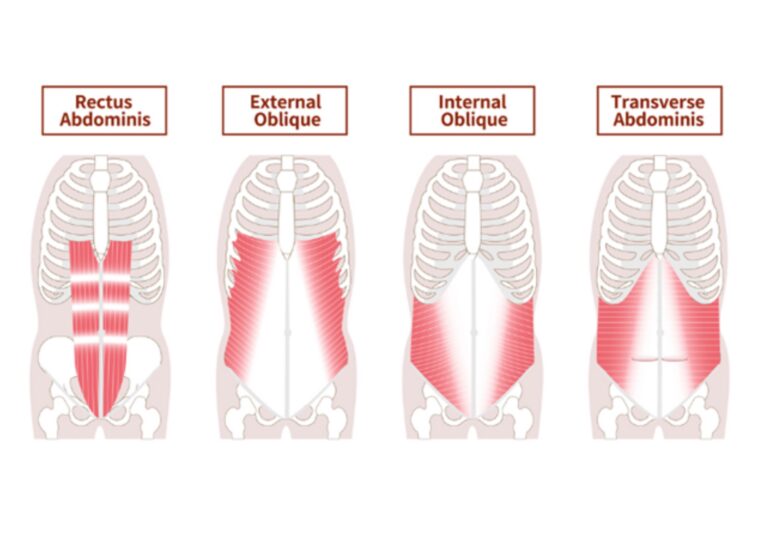
Why Is Core Activation Important?
Supporting your spine
Your core helps control movement around your spine and pelvis during activities such as bending, lifting, reaching and walking.
Good core control allows your body to manage different loads and movements efficiently and is often incorporated into rehabilitation programs for people experiencing back pain or recovering from injury.
Improving balance and stability
Your core plays an important role in keeping your body stable when you move.
Every time you take a step, change direction, reach for something or recover from a loss of balance, your core muscles are working to help maintain your centre of balance and bring equilibrium back.
This is particularly important as we age, when maintaining strength, balance and postural control can help support safe and independent mobility, and reduce falls.
Improving posture
Your core contributes to your ability to maintain and adjust your posture throughout the day.
Good posture doesn’t mean sitting or standing perfectly still. Your body needs to constantly adapt as you move between different positions. A well-functioning core helps provide the control needed to make these adjustments.
Connecting the upper and lower body
Your core acts as a link between your upper and lower body.
When you run, lift, throw, kick or climb stairs, your body needs to transfer forces efficiently between your limbs and trunk. Your core helps coordinate this process.
This is why core function is important not only for athletes, but also for everyday activities such as lifting groceries, getting out of a chair or carrying a child.
This last system is one of the most affected during injury. When ligaments, tendons, or muscles around the ankle are damaged, the quality of information being sent to the brain is reduced. Even if pain settles, this communication may not fully recover without proper rehabilitation.
How Can Physiotherapy Help?
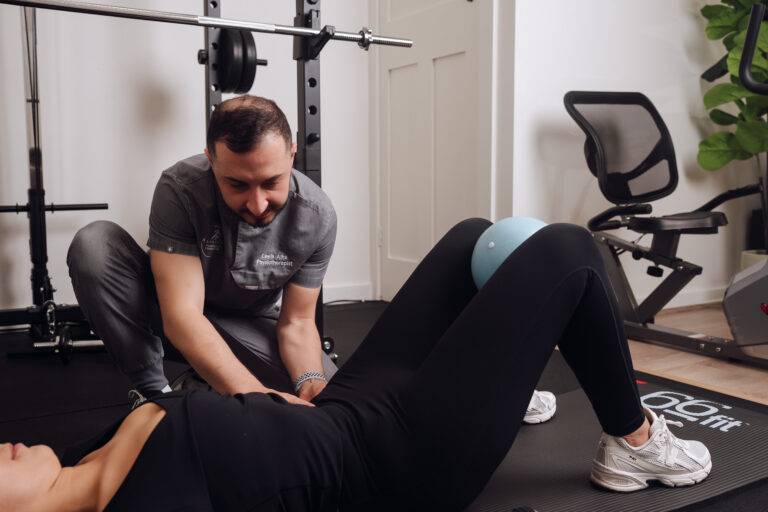
A physiotherapist can assess your strength, mobility, balance, posture and movement patterns to identify areas that may be limiting your function.
From there, your physiotherapist can develop an individualised exercise program that progresses with you over time.
Whether your goal is to:
- Reduce Pain
- Improve Balance
- Build strength
- Return to sport
- Recover from injury
“A strong and well-functioning core can provide an important foundation.”
If you’re looking for trusted physiotherapy to help build a strong foundation for movement in Croydon Park or the Inner West, ALHACARE Physiotherapy & Rehabilitation is here to help.
You can book online at www.alhacare.com.au or get in touch if you’d like to ask a question about your ankle health.